
Málaga has more places to stay than ever. It also has more reasons to choose carefully.
I live here. I’ve watched this city change neighbourhood by neighbourhood over the last few years — some of it for the better, some of it not. And the question I’d answer every time is this: where to stay in Málaga really depends on what kind of trip you want, and what kind of city you want to experience.
This guide won’t tell you the five best hotels and call it a day. It’ll tell you what each neighbourhood is actually like, who it suits, and what’s happening on the ground right now — because Málaga in 2026 is a city mid-transformation, and that context matters when you’re choosing where to stay in Málaga.
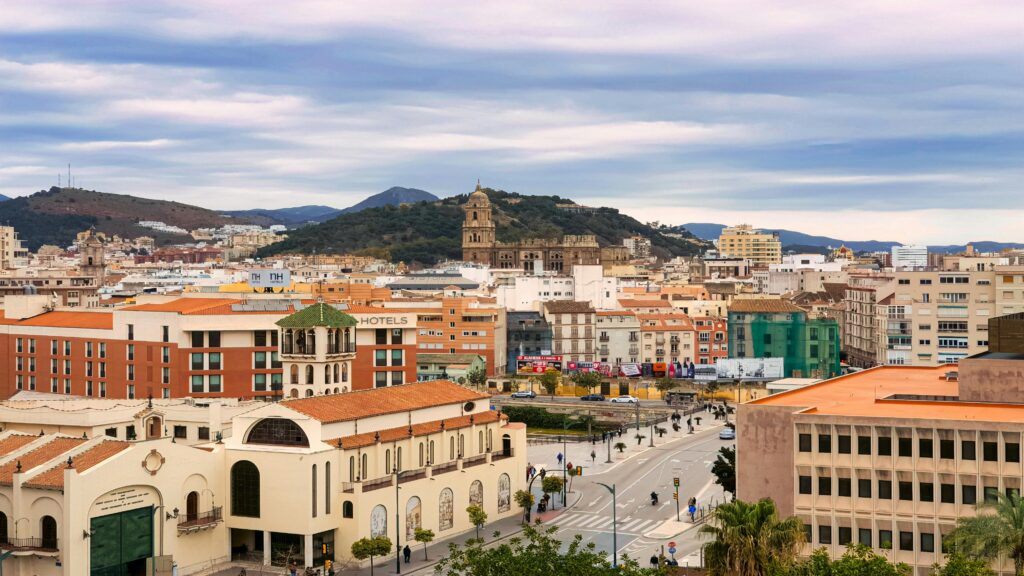
Before you book: what’s happening in Málaga right now
Most travel guides skip this part. I won’t.
Málaga is in the middle of a housing crisis driven largely by the explosion of short-term tourist rentals. Average rents rose by over 16% in a single year. Long-term residents — many of them from families who have lived in the same neighbourhood for generations — have been priced out of their own city. Entire streets in the historic centre and coastal neighbourhoods that were once genuinely local have transformed into rows of holiday apartments.
The protests have been real. The slogan “Málaga para vivir, no para sobrevivir” — Málaga for living, not for surviving — has been carried through the streets more than once. In August 2025, the city council responded by freezing all new tourist rental licences until at least 2028, affecting 43 neighbourhoods across the city. For more context, Málaga Tourism publishes updates on local regulations.
I’m telling you this not to put you off coming — Málaga is still a wonderful city and locals are not hostile to tourists. But understanding this context changes how you travel here. Choosing a locally-run hotel over a faceless apartment block, eating at a neighbourhood bar rather than a tourist-facing restaurant, being a considerate guest in a residential area — these things matter more here than they did five years ago.
Where to stay in Málaga — the neighbourhoods, honestly
Málaga’s neighbourhoods are all within reach of each other but they feel completely different. Here’s what each one is actually like — and who should stay there.
Old Town / Centro Histórico — where to stay in Málaga for first-timers
The historic centre is where most first-time visitors end up, and for good reason. The Alcazaba, the Cathedral, the Picasso Museum, the Atarazanas market, Calle Larios — all within walking distance of each other. The concentration of restaurants and bars is unmatched anywhere else in the city. If you want to step outside and immediately be in the middle of everything, this is your neighbourhood.
The trade-off is that it’s also the most affected by the tourist rental boom. Some streets that were genuinely local ten years ago now feel closer to a theme park at peak season. Noise levels at night can be significant, especially on and around Plaza de la Merced. And prices — for accommodation, for food, for a glass of wine — are at their highest here.
Pros
- Everything within walking distance
- Best restaurant and bar density in the city
- Ideal for first-time visitors
- Boutique hotels in historic buildings
Cons
- Most expensive area in the city
- Noisy at night in peak season
- Heavily saturated with tourist apartments
- Loses its local feel in summer
Best for: first-time visitors, short stays (2–3 days), couples who want to walk everywhere
El Perchel — best value place to stay in Málaga
El Perchel is my honest recommendation for most visitors looking for where to stay in Málaga. It sits just across the Guadalmedina river from the historic centre — close enough to walk into the old town in ten to fifteen minutes, but far enough that prices drop noticeably and the neighbourhood still feels like somewhere real people live.
What makes El Perchel particularly practical is its transport connections. Málaga María Zambrano — the main train station — is here, as is the main bus station and a metro stop. From El Perchel you can reach the airport, the beach, the historic centre and every day trip destination without needing a taxi.
The neighbourhood itself is working-class and unpretentious. You won’t find rooftop cocktail bars or boutique concept stores, but you will find bakeries open at 7am, neighbourhood bars where a coffee costs €1.20, and locals who haven’t been displaced yet. Playa de la Misericordia is a short walk west — less crowded than La Malagueta, more local in atmosphere.
Pros
- Best transport hub in the city — train, bus, metro
- 10–15 min walk to the historic centre
- Significantly cheaper than the old town
- Close to Playa de la Misericordia
- Still genuinely local in feel
Cons
- Not scenic — functional rather than beautiful
- Limited restaurant options within the neighbourhood
- No beach atmosphere
Best for: budget-conscious travellers, anyone doing day trips, families, longer stays
Huelin — where to stay in Málaga for beach and local life
Huelin is the neighbourhood I’d describe as Málaga’s minicentro. It has its own gastronomic scene, its own bar strip, its own beach — and it has adapted to tourism faster than almost any other residential neighbourhood in the city. For anyone weighing up where to stay in Málaga with beach access and real local atmosphere, Huelin is the most compelling option outside the historic centre.
The beach here — Playa de Huelin, running into Playa de la Misericordia — is long, wide, and far less crowded than La Malagueta in summer. Morning walks along the paseo are one of the best free things you can do in Málaga.
Pros
- Direct beachfront — long, uncrowded stretch
- Strong local food and bar scene
- Good value compared to the centre
- Well connected by metro and bus
- More character than a purely tourist area
Cons
- Not walkable to the historic centre
- Heavily touristified in recent years
- High-rise residential blocks — not scenic
Best for: beach lovers, couples, anyone wanting local atmosphere without tourist centre prices
La Malagueta — premium beachfront option
La Malagueta is Málaga’s most famous beach neighbourhood — the long curve of sand you see in every photo of the city. It’s close to the historic centre (a 15-minute walk), has its own concentration of seafood restaurants along the beach, and offers a genuinely pleasant base if you’re willing to pay for it.
The area is dominated by high-rise apartment buildings, many of which are now almost entirely holiday rentals. It’s convenient and well-located, but one of the least local parts of the city in terms of day-to-day atmosphere.
Pros
- Málaga’s most iconic beach on your doorstep
- 15-minute walk to the historic centre
- Good seafood restaurants along the paseo
Cons
- Most expensive accommodation outside the centre
- Very crowded in July and August
- Almost no local residential atmosphere
Best for: beach-first travellers, families, anyone wanting the classic Málaga postcard experience
Soho — boutique hotels and street art
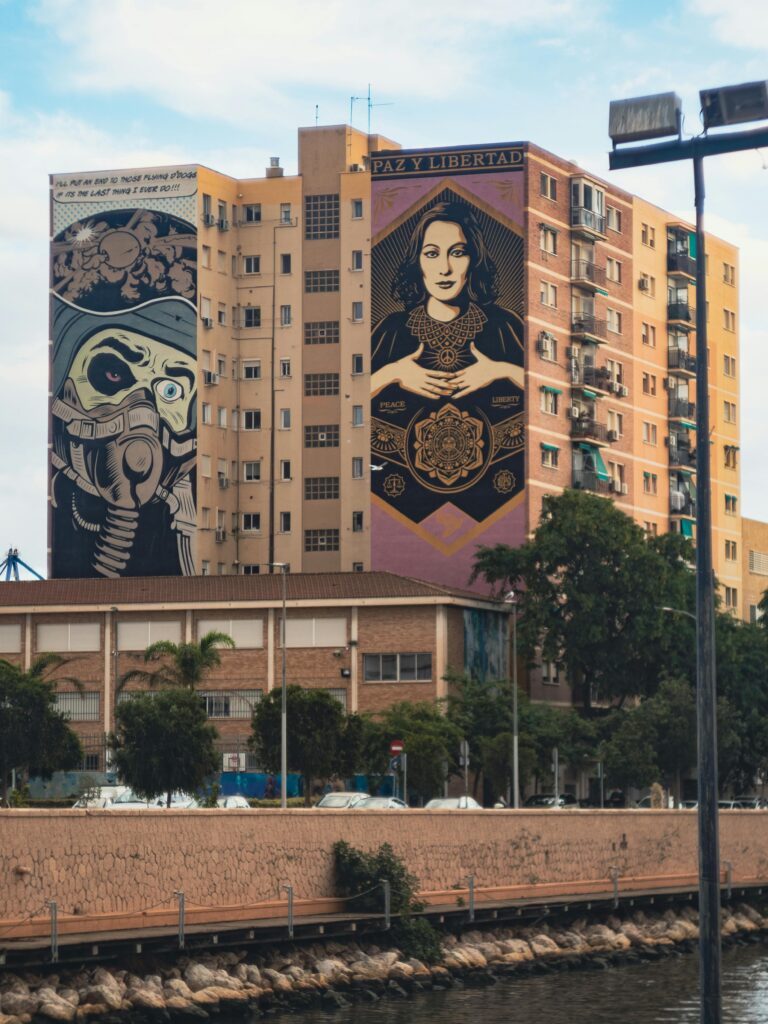
Soho sits between the historic centre and the port — a small neighbourhood that reinvented itself around street art and has since attracted boutique hotels, independent restaurants and a creative crowd. The murals here are genuinely impressive, some of them covering entire building facades. It’s the most visually interesting neighbourhood to walk through in the city.
Pros
- Best boutique hotel options in the city
- Walkable to the historic centre and the port
- Visually distinctive — great for photography
- Good independent restaurant scene
Cons
- Small area — limited in scope
- Heavily gentrified, little local atmosphere left
- No beach access
Best for: design-conscious travellers, couples, anyone wanting a boutique hotel experience
Pedregalejo & El Palo — authentic coastal Málaga
East of the city centre, Pedregalejo and El Palo are former fishing villages that have kept more of their character than anywhere else along the Málaga coast. The beaches here are smaller and more sheltered, the chiringuitos are the real thing — espetos de sardinas grilled over open fires on the beach — and the atmosphere is genuinely local even in summer.
The trade-off is distance. You’re 4–5 kilometres from the historic centre, which means you need the bus or a taxi every time you want to go into town. For a longer stay — five days or more — that’s a reasonable exchange. For a short city break, it’s probably too far.
Pros
- Most authentic coastal atmosphere in the city
- Best espetos (grilled sardines) in Málaga
- Quieter, more residential — real local life
- Good value accommodation
Cons
- 4–5 km from the historic centre
- Needs bus or taxi to reach main attractions
- Limited accommodation options
Best for: repeat visitors, longer stays, anyone who prioritises authentic local atmosphere over convenience
Which neighbourhood is right for you — where to stay in Málaga by traveller type
| Profile | Best neighbourhood | Why |
|---|---|---|
| First-time visitor | Old Town | Everything within walking distance |
| Budget traveller | El Perchel | Central, connected, cheaper |
| Beach lover | Huelin | Long beach, local bars, good value |
| Day trip base | El Perchel | Train + bus station on your doorstep |
| Boutique / design | Soho | Best independent hotels in the city |
| Family holiday | Huelin or El Perchel | Space, beach, transport, value |
| Repeat visitor / longer stay | Pedregalejo or El Palo | Authentic local life, best seafood |
A note on holiday apartments in Málaga
If you’re considering renting a holiday apartment rather than a hotel, there are a few things worth knowing in 2026. Since August 2025, the Málaga city council has frozen all new tourist rental licences until at least 2028. Any apartment currently operating legally was licensed before that date — but the market still has unlicensed properties operating illegally.
If you’re booking through Airbnb or similar platforms, check that the listing includes a valid Andalusian tourist registration number. It should appear in the listing details. If it doesn’t, the property may not be operating legally.
Beyond the legal question, there’s a practical one. Staying in a holiday apartment in a residential building means sharing a building with neighbours who live there permanently. Being a considerate guest — keeping noise down, not treating the communal areas as an extension of your holiday — goes a long way in a city where housing tensions are real.
My honest recommendation on where to stay in Málaga
If it’s your first time in Málaga and you want to keep things simple: stay in the Old Town or Soho. You’ll pay more, but you’ll be in the middle of everything and you won’t need to think about transport.
If you want better value without sacrificing convenience: El Perchel. The transport connections alone make it worth it, and the walk into the centre is pleasant along the river. For more on getting around from El Perchel, see our complete transport guide.
If you want beach as your priority and you’re happy to take the metro into town: Huelin. The food scene there is genuinely good and the beach is far better than most visitors expect.
And if you’ve been to Málaga before and want to see a different side of it: go east. Pedregalejo on a Tuesday evening, espetos on the beach, a glass of local wine. That’s the version of Málaga that doesn’t make it into the brochures — and it’s the one worth looking for. For help planning how long to stay, see our guide on how many days in Málaga you actually need.