
Málaga in July is full summer — spectacular, hot, crowded and completely worth it if you know how to navigate it.
I live here. Málaga in July is when the city operates at full capacity — maximum energy, maximum crowds and maximum heat. This guide tells you what the weather is actually like, the Terral wind phenomenon nobody warns you about, how to avoid the queues and the secret cultural siesta that locals use to survive the hottest hours.
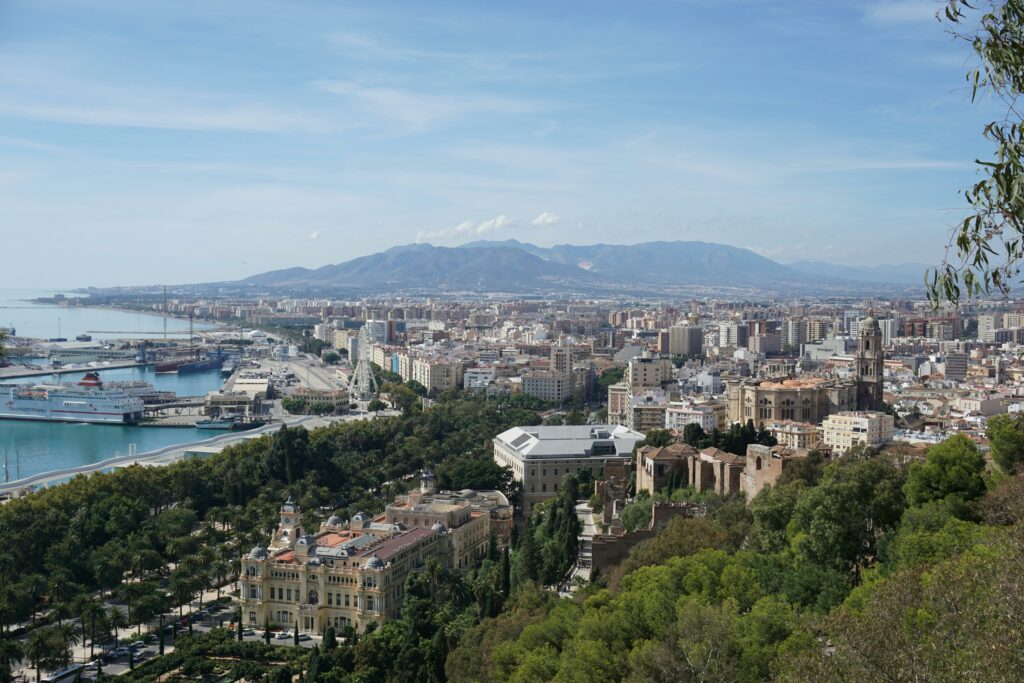
Málaga in July — at a glance
| Factor | July in Málaga |
|---|---|
| Max temperature | 30–33°C average — up to 40°C+ with Terral |
| Min temperature (nights) | ~22°C — tropical nights |
| Sea temperature | 23–24°C — perfect for swimming |
| Rain probability | Essentially zero |
| Daylight hours | Until 9:30–10pm |
| Crowds | High — full peak season |
| Prices vs August | 15–25% cheaper — especially first two weeks |
Weather in Málaga in July — the honest picture
01 — Real summer heat
Málaga in July is genuinely hot. Maximum temperatures average 30–33°C in the shade, with humidity making the felt temperature higher in the city centre. Nights are tropical — rarely below 22°C — which means you can be outside in a t-shirt at 2am without a jacket. The sea reaches 23–24°C in July: warm enough to float in for hours, cool enough to genuinely refresh you after time in the sun. Check daily forecasts at AEMET before planning outdoor activities.
02 — The Terral wind — the phenomenon nobody warns you about
The Terral is a dry interior wind specific to Málaga that blows from the mountains down to the coast. When it arrives — typically for 2 to 3 consecutive days in July — the temperature can spike to 40–42°C and the air feels like a hairdryer. It’s sudden and intense.
The paradox: when the Terral blows, the sea water turns cold. The wind pushes the warm surface water offshore and brings cold water up from the depths — the sea can drop to around 18°C during a Terral episode. Hot city, cold beach. It’s one of the most disorienting weather experiences Málaga offers and it catches almost every visitor off guard. If there’s Terral, stay in the shade, drink water and visit a museum.
Crowds and planning in Málaga in July
03 — Beaches — arrive early or go east
July beaches in Málaga are busy — particularly La Malagueta and La Misericordia at weekends. Arriving after 1pm on a Saturday and expecting space near the water is optimistic. The solutions: arrive before 10am to secure a spot, or take the bus east to Pedregalejo and El Palo where the protected cove beaches have more character and slightly less pressure even in July.
04 — Monuments — book online, no exceptions
Turning up at the Alcazaba or Picasso Museum ticket desk in July without a reservation can mean more than an hour’s queue in direct sun. In Málaga in July this is not a risk worth taking. Book all major monument tickets online at least 3 to 4 days in advance. The Alcazaba combined ticket at malagaturismo.com and the Picasso Museum at its official website both allow advance booking with priority entry. Do it before you travel.
Events in Málaga in July
05 — Festividad de la Virgen del Carmen — 16 July
The patron saint of sailors. On 16 July, every fishing neighbourhood in Málaga — Pedregalejo, El Palo and Huelin — celebrates with maritime processions that no tourist expects and no guidebook adequately describes. The local fishermen, dressed in their traditional white shirts, black trousers and red sash, carry the Virgin on their shoulders and walk her literally into the sea, placing her on a traditional jábega fishing boat surrounded by hundreds of small boats with flares and fireworks.
The procession in Pedregalejo is the most atmospheric — the narrow seafront promenade, the fishing boats, the flares reflecting on the water, the crowd pressed to the shore. It’s one of the most genuinely moving events in the city’s calendar and almost no international visitor knows it happens. If you’re in Málaga on 16 July, go to Pedregalejo by 9pm.
06 — Summer music festivals
July is the month of major outdoor concerts across the Costa del Sol. The Marenostrum festival in Fuengirola and the Starlite festival in Marbella both take place in July — both accessible from Málaga by public transport or car. Check current lineups and dates before your visit as these change annually.
The July survival guide — how locals manage the heat
07 — The cultural siesta — the local secret
Walking through central Málaga between 2pm and 5pm in July is physically demanding. Most guides tell you to go to the beach at this time — which is actually the most dangerous period for sun exposure. The local solution is the cultural siesta: at 3pm, walk into an air-conditioned museum.
The Museo de Málaga in the Palacio de la Aduana is free for EU citizens and completely empty at this hour — everyone else is at lunch. The Centre Pompidou under its glass cube at the port is similarly deserted at 3:30pm. You emerge at 5pm refreshed, cool and ready for the beach at its best — warm sea, lower UV, long golden evening light extending past 9pm.
08 — The perfect July day in Málaga
| Time | Activity | Why |
|---|---|---|
| 9:00–11:30am | Alcazaba and Gibralfaro | Cool morning, low sun, manageable queues |
| 11:30am–2:00pm | Museums and Calle Larios shopping | Air conditioning — Calle Larios has summer awnings |
| 2:00–4:30pm | Lunch + cultural siesta | Long lunch at a taberna, then museum at 3:30pm |
| 4:30–8:30pm | Beach — La Malagueta or Pedregalejo | Perfect UV level, warm sea, long evening light |
| 9:30pm onwards | Dinner and nightlife | 24°C nights — perfect for terraces until 2am |
Best chiringuitos in Málaga in July — where locals eat
The chiringuitos at La Malagueta double their prices in July and often reduce quality due to volume. Take bus line 3 or 8 east to Pedregalejo and El Palo for significantly better value and genuinely fresher fish.
09 — El Tintero — the chaotic essential
No menu. Waiters run from the kitchen shouting what they’re carrying — raise your hand if you want it. End of meal: a waiter counts your empty plates and calculates the bill. Loud, chaotic, completely genuine and one of the best dining experiences in Spain. Order the fried boquerones, conchas finas and baby squid. Go early — by 1:30pm in July it’s completely full.
10 — Miguelito El Cariñoso — the best espetos in July
A traditional family chiringuito in Pedregalejo with the sand boat for olive wood grilling right on the promenade. The sardine espetos in July are at their fattest and most flavourful — this is the peak month for the dish. Order two espetos per person, squeeze lemon over them and eat with your hands. The grilled octopus and roasted pepper salad alongside are exceptional.
Prices in Málaga in July — smarter than August
July is peak season but not the most expensive month. Hotels and flights are typically 15–25% cheaper than August. The first two weeks of July specifically offer noticeably more competitive hotel rates than the second half — if your dates are flexible, the first week of July gives you full summer conditions at significantly lower prices. For more on planning your visit, see our complete guide to the best time to visit Málaga and our budget guide.
My honest recommendation — is July a good time to visit Málaga?
Yes — if you go in prepared. Book everything in advance. Apply the heat management strategy: monuments in the morning, museums at 3pm, beach from 4:30pm. Watch the Virgen del Carmen procession in Pedregalejo on 16 July if your dates allow. Eat espetos at Miguelito El Cariñoso. Stay out until midnight — the July nights are the best of the year.
Málaga in July is not for the faint-hearted. It’s hot, busy and demands planning. But the energy of the city in full summer, the warm sea and the long golden evenings make it one of the most genuinely enjoyable months of the year if you know what you’re doing.